
When Things Go Wrong: Handling Guest Complaints Professionally
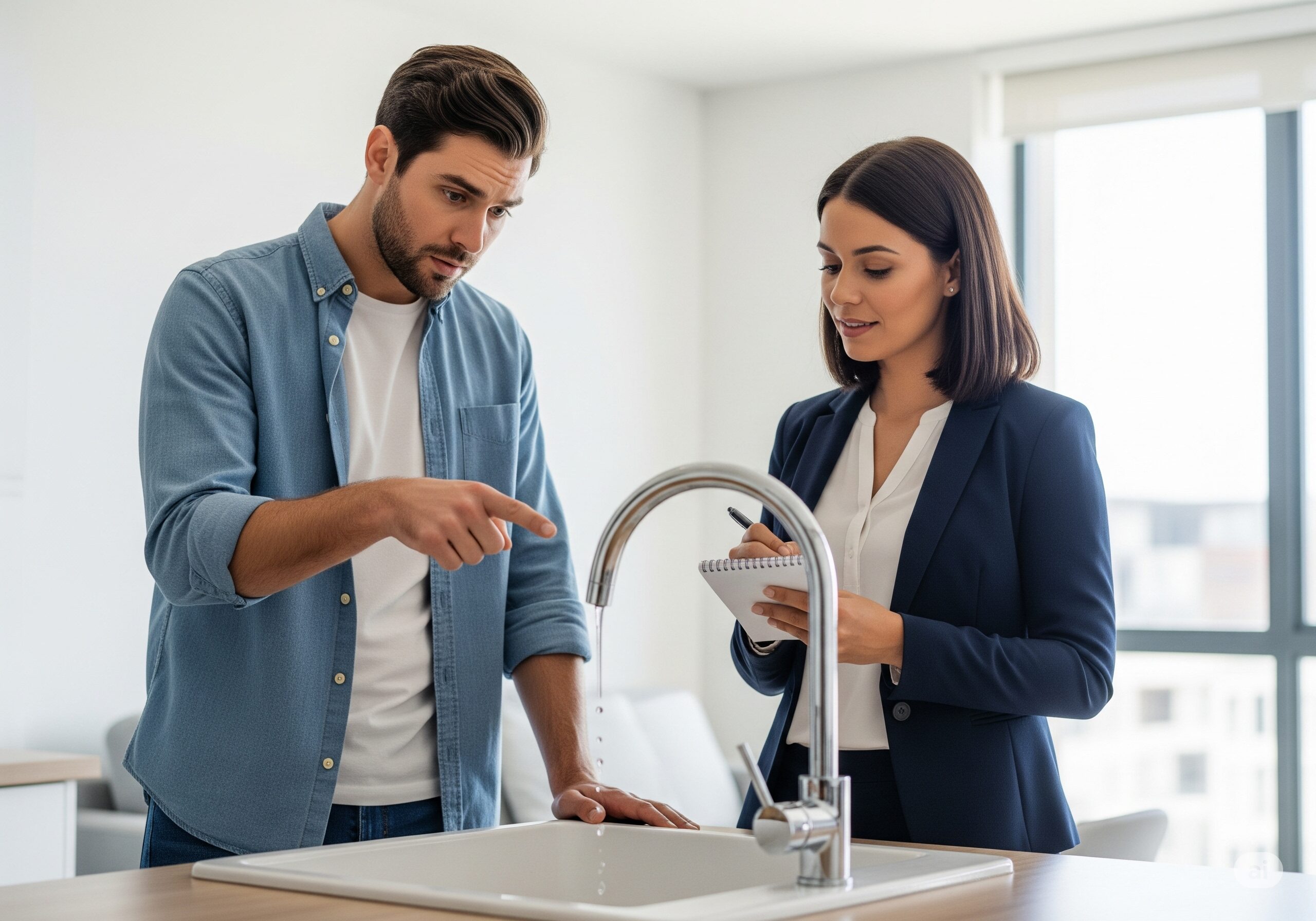
Even the most well-maintained rental properties can run into problems. Whether it’s a leaky faucet, noisy neighbors, or unmet expectations, guest complaints are part of the business. How you handle these moments, particularly guest complaints, can make or break your reputation.
Far from being setbacks, complaints are opportunities to demonstrate professionalism, build loyalty, and even improve your offerings. Learning to address grievances effectively transforms a potentially negative experience into a chance to build trust and show your dedication to guest satisfaction.
1. Listen Actively and Empathetically
This is the most crucial first step. Let the guest fully express their concerns without interruption.
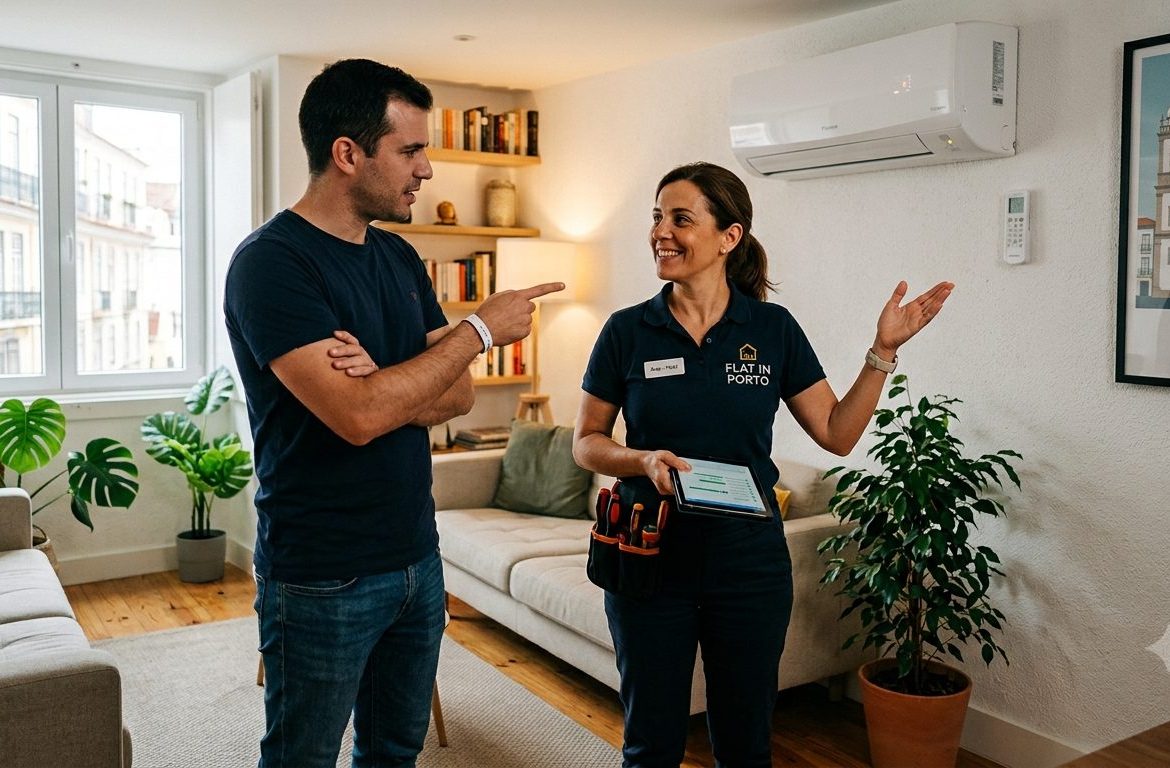
- Give them your full attention: When in person, make eye contact, nod, and show you’re engaged. Avoid fidgeting or looking distracted.
- Practice active listening: Reflect what you hear to confirm understanding (“So, if I understand correctly, the issue is X because of Y?”).
- Show empathy: Acknowledge their feelings. Phrases like “I understand how frustrating that must be,” or “I’m so sorry you experienced this” validate their emotions. Do not immediately offer solutions or make excuses.
2. Apologize Sincerely (Without Blame)
A genuine apology acknowledges their experience, not necessarily fault.
- Take responsibility for their negative experience: “I apologize that this happened,” or “I’m truly sorry for the inconvenience you faced.”
- Avoid excuses or shifting blame: Even if the issue wasn’t directly your fault, focus on their dissatisfaction. “I’m sorry, but…” negates the apology.
3. Investigate and Gather Information
If the issue isn’t immediately clear, ask clarifying questions to get the full picture.
- Ask open-ended questions: “Can you tell me more about what happened?” or “When did this occur?”
- Remain calm and objective: Focus on facts, not emotions.
- If necessary, involve relevant team members: For complex issues, a quick consultation with a colleague or supervisor might be needed to understand the situation fully.
4. Offer a Solution (or Options)
Once you understand the problem, propose a resolution.
- Be empowered to offer solutions: If possible, resolve the issue on the spot.
- Tailor the solution: What would genuinely make the guest feel better? Sometimes it’s a refund, a replacement, a discount on future services, or simply a sincere verbal apology and assurance it won’t happen again.
- Offer choices if appropriate: “We can offer you X, or perhaps Y would be more suitable?” This gives the guest a sense of control.
- Manage expectations: If a resolution takes time, communicate the steps and timeline clearly.
5. Follow Through and Follow Up
Ensure the proposed solution is implemented and check back with the guest.
- Execute the solution promptly: Don’t delay once a resolution is agreed upon.
- Confirm satisfaction: A quick follow-up call, email, or in-person check-in ensures the guest is happy with the resolution and reinforces your commitment to their satisfaction.
- Document the complaint and resolution: This is crucial for tracking recurring issues and for training purposes.
Common Pitfalls to Avoid
- Becoming defensive: This instantly alienates the guest and escalates the situation.
- Minimizing the problem: Never tell a guest their complaint isn’t a big deal. Their feelings are valid.
- Making false promises: Only offer what you can genuinely deliver.
- Ignoring the complaint: Unaddressed grievances fester and often lead to public negative reviews.
Final Thoughts: Mastering Service Recovery
Professional complaint handling extends beyond mere problem-solving, actively nurturing relationships and fortifying your brand. By actively listening, empathizing, apologizing sincerely, and providing effective solutions, you can transform moments of dissatisfaction into opportunities for loyalty and growth. Remember, every complaint is a chance to show your guests they are valued, ensuring they leave with a positive impression, even if things initially went wrong.