
Property Damage: A Landlord’s Guide to Protecting Your Investment
As a landlord, your rental property is a significant investment. While normal wear and tear is an expected part of any tenancy, distinguishing it from actual damage or neglect caused by tenants is crucial for protecting your asset. This guide aims to clarify these distinctions, offer strategies for identification and documentation, and outline your options when faced with issues that go beyond the ordinary.
Understanding the Distinction: Damage vs. Normal Wear and Tear
It’s vital to differentiate between expected deterioration and tenant-caused harm. This understanding forms the basis for any claims you might make.
- Normal Wear and Tear: This refers to the natural and unavoidable deterioration of a property and its components over time due to normal use. It does not reduce the functionality of the item.
- Examples: Faded paint, minor scuffs on walls, worn carpet in high-traffic areas, loose door handles, faded curtains, slightly dirty grout, small chips in old paint.
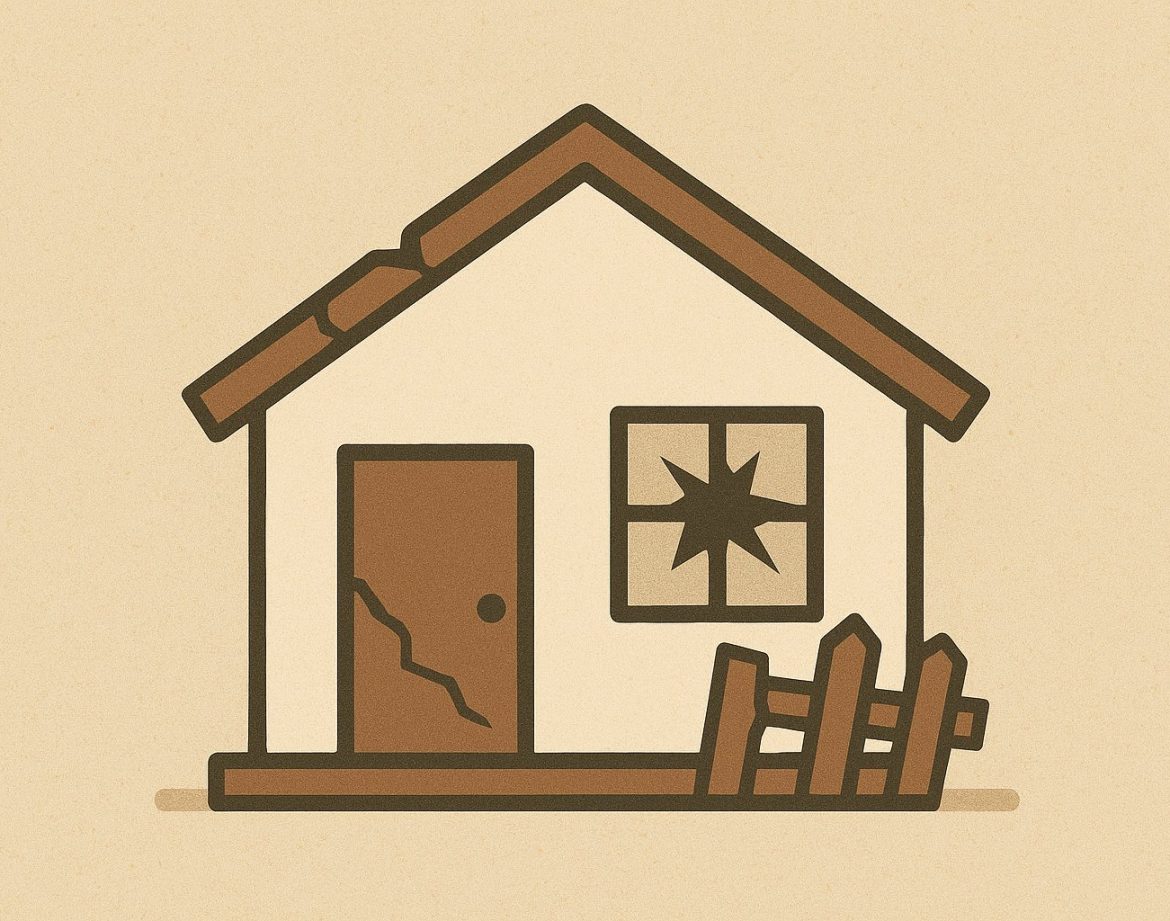
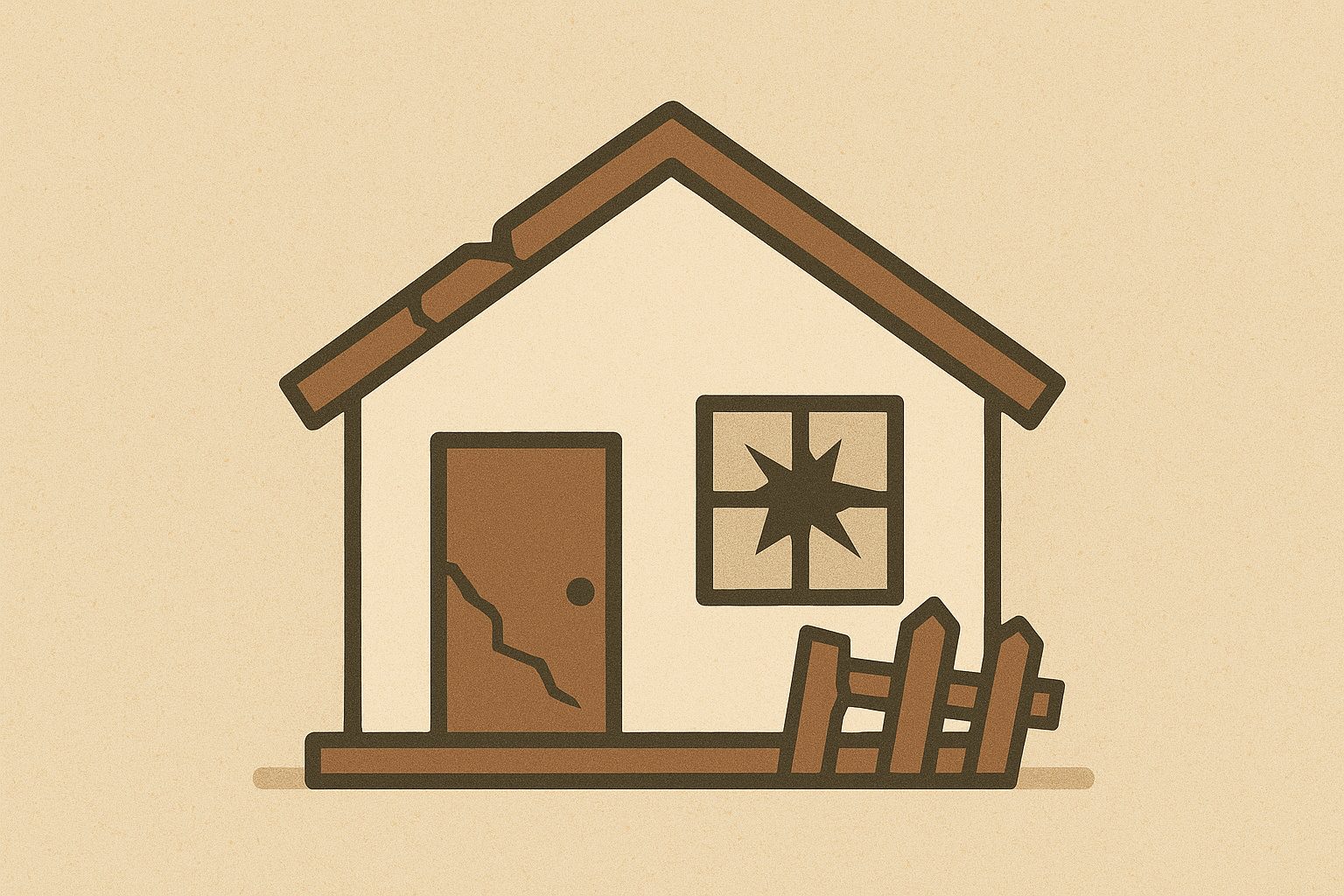
- Property Damage: This is harm to the property that goes beyond the normal aging process and affects its value, usefulness, or normal function. It is often caused by tenant negligence, carelessness, or intentional acts.
- Examples:
- Intentional Damage: Large holes in walls, graffiti, broken windows from impact, missing fixtures, defaced surfaces.
- Unintentional Damage (Beyond Normal Wear & Tear): Large, unremovable stains on carpets or floors from spills, broken appliances due to misuse (e.g., putting non-dishwasher safe items in a dishwasher), shattered mirrors, deep scratches on floors or countertops, pet-induced damage (chewing, deep scratches, persistent odors).
- Neglect of Property: This is a form of damage resulting from a lack of proper care or maintenance by the tenant, leading to significant deterioration over time (e.g., excessive dirtiness leading to mold or mildew growth, pest infestations due to poor hygiene, failure to report leaks or plumbing issues resulting in water damage, accumulation of trash attracting pests).
- Examples:
Identifying and Documenting Property Damage & Neglect
Thorough documentation is your strongest asset when dealing with tenant-caused issues.
- Comprehensive Move-In Inspection: Before the tenant moves in, conduct a meticulous walk-through. Document the condition of every room, appliance, and fixture.
- Photos & Videos: Take clear, timestamped photos and videos of everything, no matter how minor. Focus on existing conditions and potential problem areas.
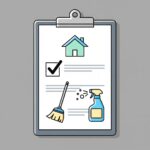
- Detailed Checklist: Use a standardized checklist for each room, noting condition (e.g., “new,” “good,” “fair,” “damaged”) and any existing imperfections. Both you and the tenant should sign and date this document.
- Move-Out Inspection: Compare the property’s condition against your move-in documentation immediately after the tenant vacates. Document all new damage or neglect with fresh photos and notes.
- Regular Checks: If allowed by your lease and local laws, conduct periodic inspections (with proper notice) to catch minor issues before they worsen.
Addressing Damage & Neglect: Your Options
When issues arise, here’s how to proceed:
- Communicate: Start with a clear, documented conversation with the tenant about the damages and expected repair costs.
- Security Deposit: Your primary recourse. Ensure your lease clearly defines its use. Provide an itemized list of deductions and repair costs, adhering to local laws for returning any remaining balance.
- Landlord Insurance: For significant, sudden damage (e.g., extensive water damage from an unreported leak), your landlord insurance might cover costs. Review your policy for specific coverage and exclusions (intentional damage is rarely covered).
- Legal Action: If costs exceed the deposit or disputes arise, you may pursue remaining funds in small claims court. For severe, lease-violating neglect, eviction might be necessary, requiring strict adherence to local legal procedures.
Prevention: Proactive Strategies
Mitigate risks from the start to protect your investment:
- Thorough Tenant Screening: This is critical. Always check previous landlord references, perform credit checks, and verify employment.
- Clear Lease Agreements: Your lease should explicitly detail tenant responsibilities for property care, maintenance reporting, pet policies (if applicable), and consequences for damage.
- Open Communication: Encourage tenants to report maintenance issues promptly, no matter how small. Make contact easy.
- Tenant Education: Provide a simple guide on appliance use and basic home care.
- Regular Property Maintenance: Proactively maintain your property (e.g., HVAC servicing, gutter cleaning). This sets an example and encourages tenant care.
Final Thoughts: Guarding Your Asset
Managing property damage and neglect effectively is key to a profitable landlord experience. By understanding distinctions, maintaining meticulous documentation, and employing proactive prevention strategies, you can minimize risks and ensure your valuable asset remains well-protected for years to come.