
Plumbing Leak Prevention: Under-Sink to Ceiling — What Every Landlord Should Monitor Regularly
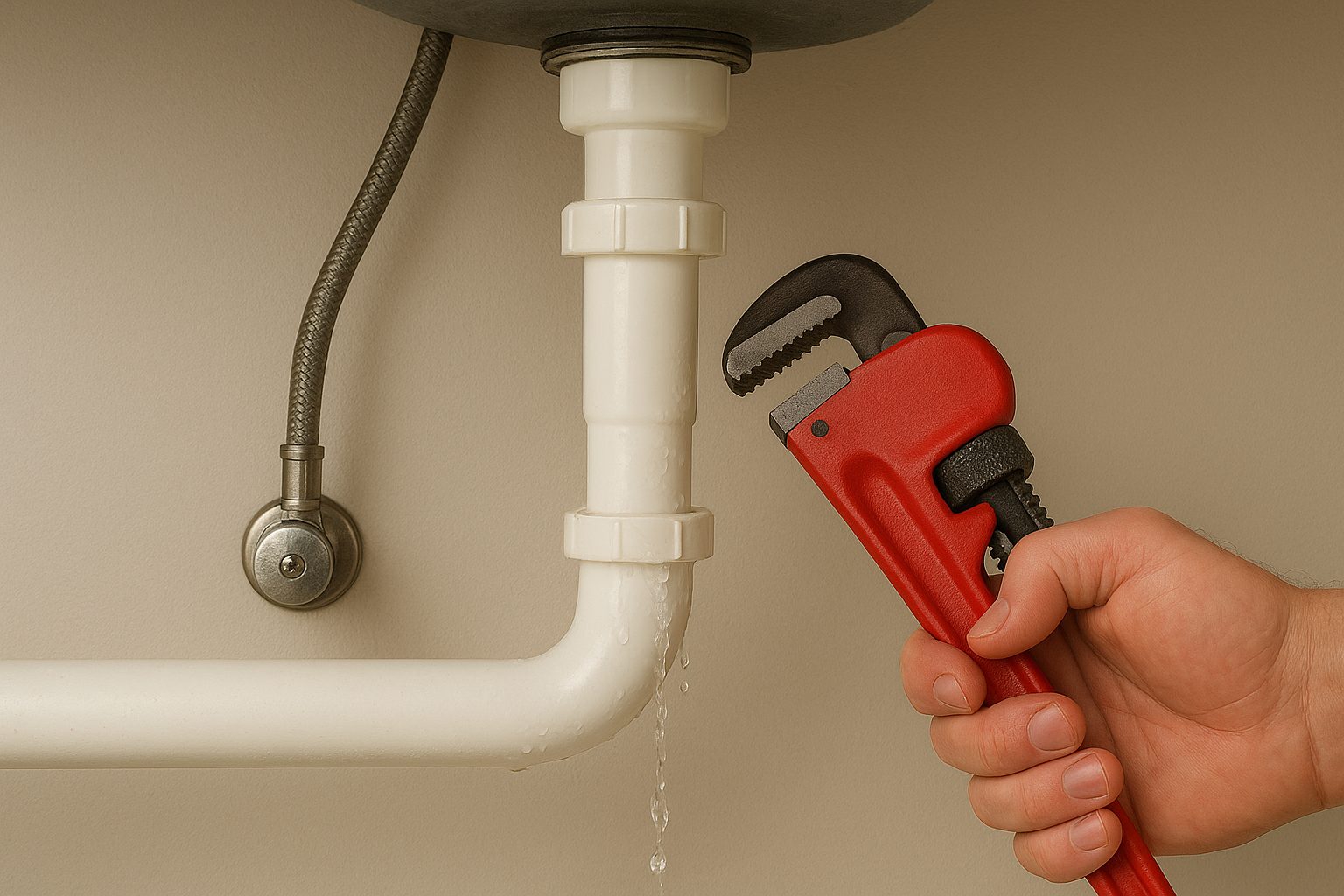
Plumbing leaks, from a slow drip under a sink to a hidden seep within a ceiling, are a landlord’s nightmare. Beyond tenant inconvenience, they can lead to extensive and costly property damage, including mold, structural issues, and ruined fixtures. Proactive monitoring is far more effective than reactive repairs. Here’s what every landlord should regularly inspect to prevent these costly leaks in their rental properties, including your flat in Porto.
Understanding the Common Culprits
Leaks often originate from a few key areas, and knowing where to look is half the battle:
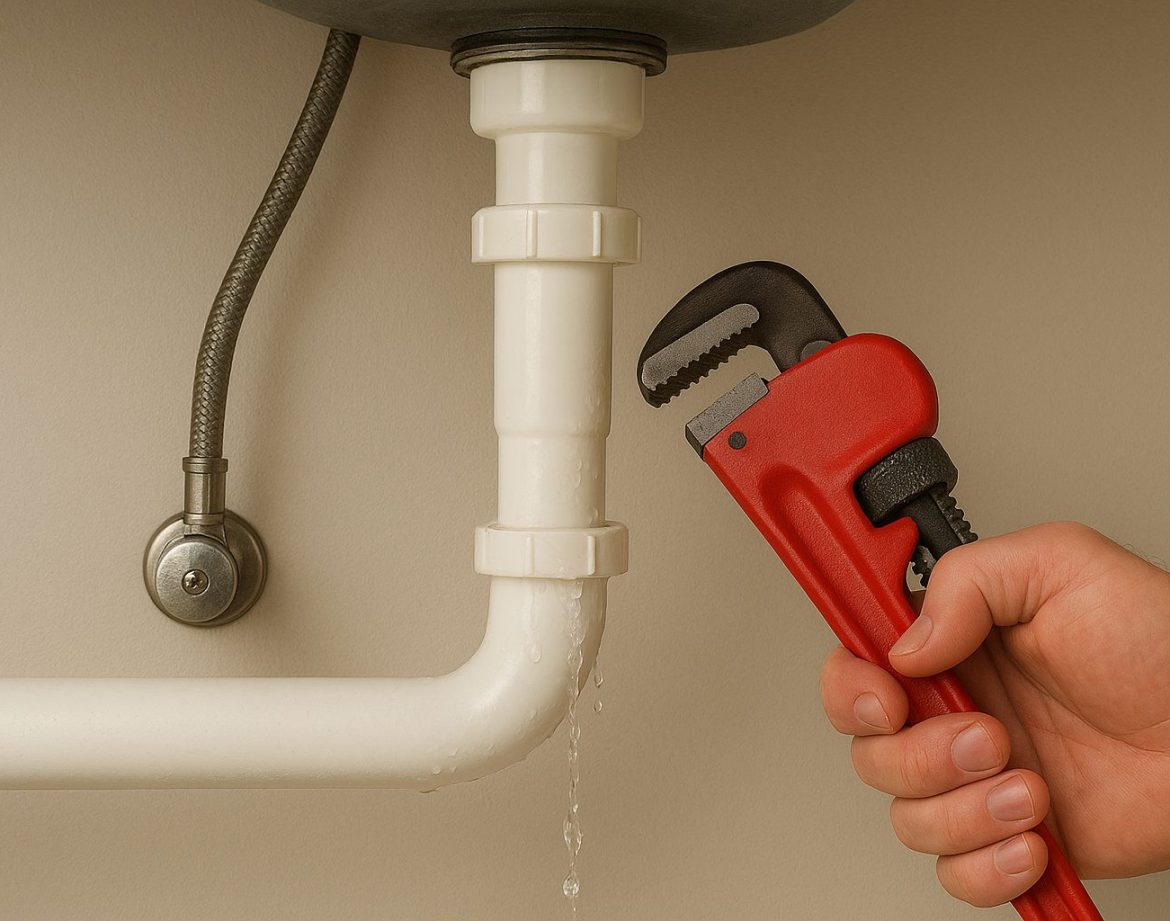
- Under-Sink Areas (Kitchens & Bathrooms): These are prime spots due to frequent use, multiple connections, and often cramped, dark spaces where drips can go unnoticed. Focus on drainpipes, supply lines to faucets, garbage disposals, and connections to dishwashers or ice makers.
- Ceilings: Usually point to a leak from the floor above – commonly bathrooms, kitchens, or laundry rooms (e.g., overflowing toilets, leaking showers, appliance hoses).
- Toilets: Leaks can occur at the base (seal issues), within the tank (faulty flapper or fill valve), or at the supply line connection.
- Water Heaters: These units can leak from the top (supply lines), bottom (internal tank corrosion), or the temperature and pressure relief (TPR) valve.
- Appliances: Washing machines (supply hoses), dishwashers (supply/drain lines, door seals), and refrigerators with ice makers (water lines) are frequent culprits.
Your Regular Monitoring Checklist
While weekly checks might be too frequent for occupied rentals, aim for a consistent schedule, perhaps monthly during routine visits (with proper notice), or encourage active tenant vigilance.
1. Under Sinks (Kitchen & Bathroom):
- Look & Feel: Inspect the cabinet base and floor for stains, drips, or puddles. Feel pipes and connections for moisture.
- Smell: Any musty odor could indicate hidden mold or persistent dampness.
- Garbage Disposal: Check for leaks around the disposal unit’s connections to the sink, drain line, and electrical components.
- Supply Lines: Ensure hoses are not bulging, kinked, or cracked. Gently tighten any loose connections.
2. Ceilings (Especially Below Bathrooms/Kitchens/Laundry Rooms):
- Visual Inspection: Look for discoloration, bulging, sagging, or peeling paint. Even faint stains can signal a larger issue.
- Touch: Lightly press on suspicious areas to check for softness or dampness.
- After Showers/Appliance Use: If possible, observe ceilings directly after the tenant has used the shower, bath, or laundry to catch active drips.
3. Toilets:
- Base Check: Look and feel around the base for water, indicating a failing wax seal.
- Tank Check: Listen for constant running water. A food coloring test in the tank (if color appears in the bowl without flushing) indicates a faulty flapper.
- Supply Line: Inspect the hose connecting the wall to the tank for drips or deterioration.
4. Water Heaters:
- Visual Scan: Look for rust, corrosion, or water stains on the unit or the surrounding floor.
- TPR Valve: Ensure the temperature and pressure relief valve has a discharge pipe directed downwards and isn’t dripping, which could signal excessive pressure or a faulty valve.
5. Appliance Hoses & Connections:
- Washing Machines: Inspect hot and cold supply hoses for cracks or bulges. Consider replacing old rubber hoses with braided stainless steel every 3-5 years.
- Dishwashers: Check connections under the sink, including the water supply line and drain hose. Look for leaks around the door seal during operation.
- Refrigerators: Inspect the water supply line for ice makers/dispensers for kinks or leaks.
Cultivating Tenant Vigilance
Your tenants are critical partners in leak prevention. Empower them:
- Clear Reporting Protocol: Provide an easy method for tenants to report maintenance issues immediately. Emphasize that early reporting prevents larger problems.
- Encourage Communication: Reassure them that reporting concerns is helpful, not a nuisance.
The Long-Term Payoff
Proactive plumbing leak prevention is vital for successful property management. By systematically monitoring common leak zones and fostering strong tenant communication, you can significantly reduce the risk of costly water damage. Regular vigilance not only protects your investment but also ensures a safer, more comfortable living environment for your tenants.