
Creating SOPs (Standard Operating Procedures) for Your Rental
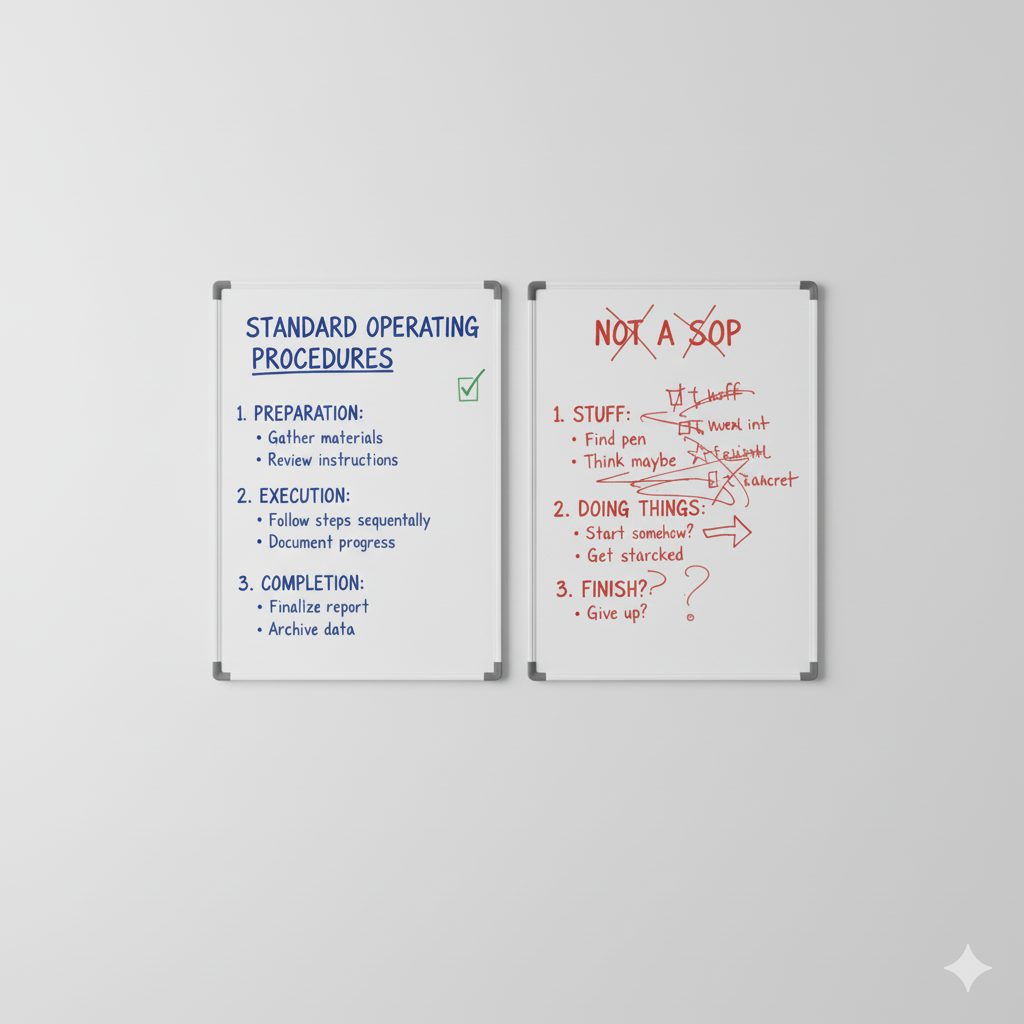
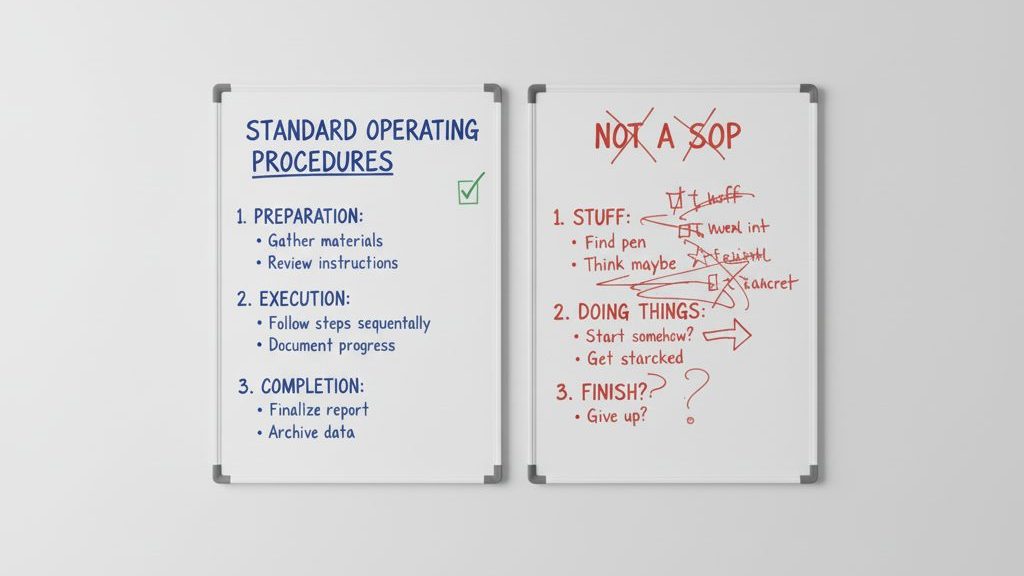
For any short-term rental owner in Porto, Standard Operating Procedures (SOPs) are the unsung heroes of efficiency and consistency. Whether you manage one property or several, well-defined SOPs ensure every task is performed correctly, every time, reducing errors, saving time, and ultimately enhancing the guest experience. Think of them as your rental’s personalized instruction manual.
What are SOPs and Why Do You Need Them?
SOPs are step-by-step instructions detailing how to perform routine tasks within your rental business. They cover everything from guest communication to cleaning protocols.
Why they are crucial:
- Consistency: Every guest receives the same high standard of service, regardless of who is performing the task. This leads to predictable guest experiences and better reviews.
- Efficiency: Clear procedures reduce guesswork and wasted time, making tasks quicker and more efficient.
- Quality Control: They establish a benchmark for performance, making it easier to identify and rectify deviations.
- Scalability: Essential for growing your business. If you hire staff (cleaners, co-hosts, maintenance), SOPs are invaluable for training and delegation.
- Problem Prevention: By detailing correct procedures, SOPs help prevent common mistakes and issues (e.g., missed cleaning steps, incorrect check-in instructions).
- Peace of Mind: Knowing that critical tasks are documented and followed reduces stress and oversight.
Key Areas for SOPs in Your Porto Rental
Consider creating SOPs for these core aspects of your short-term rental operation:
- Pre-Booking & Inquiry Management:
- Responding to inquiries (template responses).
- Vetting potential guests (red flags to watch for).
- Sending booking confirmations.
- Check-In/Check-Out Procedures:
- Guest Communication: When to send check-in instructions, Wi-Fi details, welcome guide.
- Key Exchange: Step-by-step for key box, smart lock, or in-person handover.
- Departure Instructions: What guests need to do before leaving (e.g., trash, lights, locking up).
- Cleaning and Turnover Protocol:
- Detailed Checklist: Room-by-room cleaning tasks (e.g., wiping surfaces, changing linens, vacuuming).
- Restocking Inventory: What supplies to replenish (toilet paper, soap, coffee).
- Damage Check: How to inspect for damage after each stay.
- Laundry Process: Washing, drying, and storing linens.
- Maintenance and Repairs:
- Procedure for reporting issues (e.g., leaking faucet, broken appliance).
- Contact information for various contractors (plumber, electrician).
- Emergency protocols (e.g., what to do during a power outage or flood).
- Guest Communication During Stay:
- Responding to common questions (e.g., “Where’s the nearest supermarket?”).
- Handling complaints (e.g., noise, Wi-Fi issues).
- Emergency contact process.
- Post-Stay Procedures:
- Sending thank-you messages.
- Leaving reviews for guests.
- Handling security deposit returns.
Tips for Creating Effective SOPs
- Keep it Simple: Use clear, concise language. Avoid jargon.
- Be Specific: Instead of “clean bathroom,” write “clean toilet, shower, sink, mirror; restock toilet paper.”
- Use Visuals: Include photos or screenshots where helpful.
- Make Them Accessible: Store them in a shared digital folder (Google Drive, Dropbox) or a binder in your rental for cleaning staff.
- Review and Update: SOPs are living documents. Review them regularly and update as your process or property changes.
By investing time in creating thorough SOPs, you’re not just organizing tasks; you’re building a more resilient, efficient, and ultimately more profitable short-term rental business.