

Managing Package Deliveries at Your Rental Property: How to Smooth Operations and Clear Policies
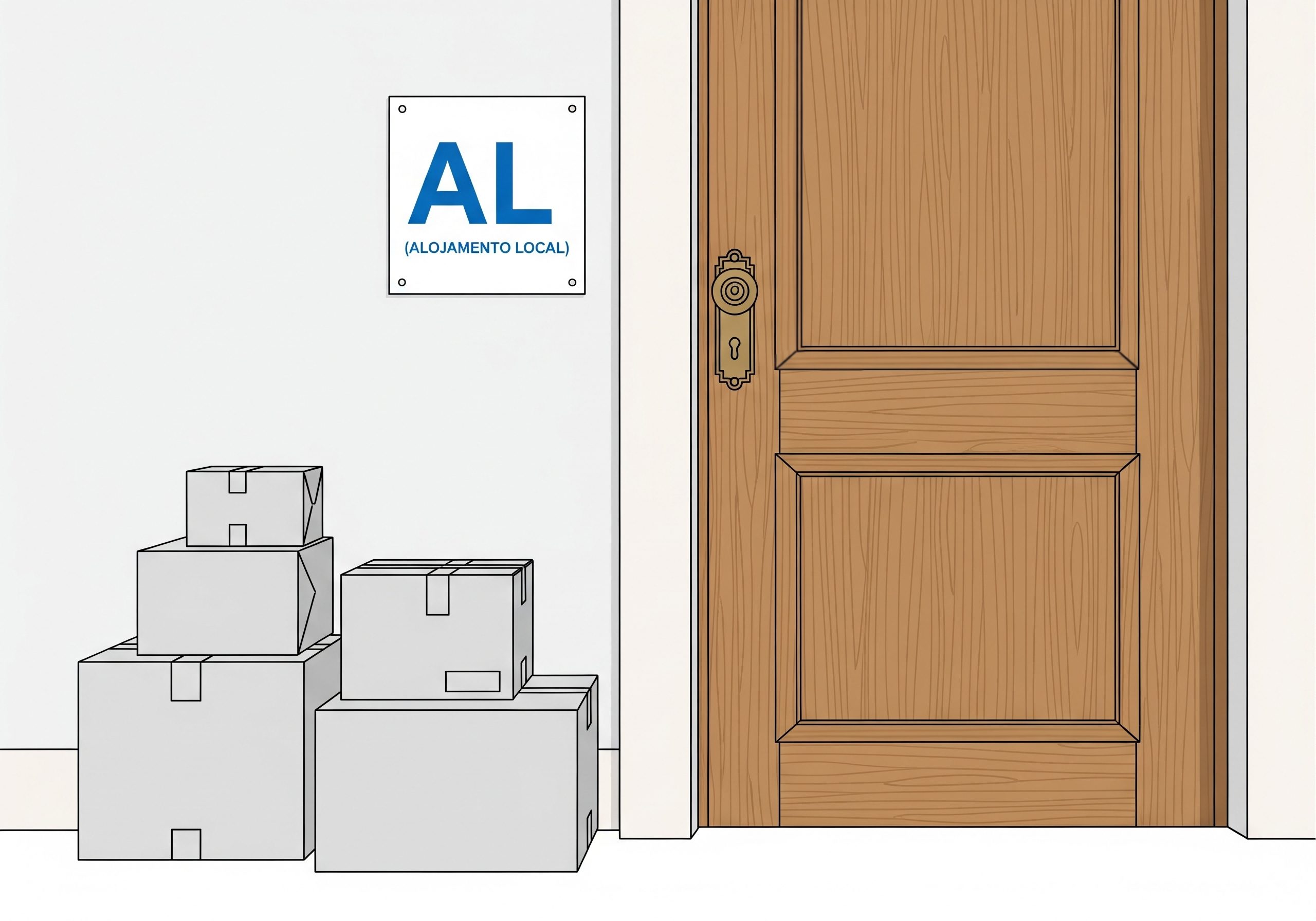
In today’s e-commerce-driven world, package deliveries are a daily occurrence, transforming entryways and mailrooms into busy logistical hubs. For landlords, effectively managing these deliveries is crucial for maintaining property aesthetics, security, and tenant satisfaction. Whether you manage a single flat in Porto or a multi-unit building, having clear policies for receiving packages is no longer optional – it’s essential for harmonious living and protecting your investment.
Why Effective Delivery Management Matters
A well-defined delivery policy helps prevent common issues and ensures a smoother experience for everyone:
- Maintains Property Aesthetics & Common Area Order: Prevents clutter from accumulating in hallways, lobbies, and doorways.
- Enhances Security: Reduces the risk of “porch piracy” (package theft) and ensures common areas remain clear for safety and emergency access.
- Boosts Tenant Convenience & Satisfaction: Provides clear guidelines, reducing confusion and potential disputes among residents.
- Prevents Property Damage: Minimizes instances of packages being left exposed to weather or causing accidental damage to common elements.
- Addresses Post-Departure Deliveries: Crucially, establishes a process for packages that arrive after a tenant or short-term guest has vacated the property, preventing abandoned items and storage burdens.
Key Components of a Comprehensive Delivery Policy
Your lease agreement and welcome materials should clearly outline these expectations:
- Designated Delivery Locations:
- Specify where the couriers should leave packages. Options include:
- Tenant’s Door: If direct delivery is feasible and secure.
- Centralized Mailroom/Lobby: A secure, covered area accessible to delivery personnel.
- Smart Parcel Lockers: An ideal, secure solution for multi-unit properties (an investment, but highly valued).
- Manager/Concierge Acceptance: If staffing allows.
- Explicitly state that packages should never obstruct fire exits, stairwells, or shared walkways.
- Specify where the couriers should leave packages. Options include:
- Tenant’s Responsibility for Retrieval:
- Emphasize that tenants are solely responsible for monitoring their deliveries and retrieving packages promptly.
- Clarify that the landlord is not liable for lost, stolen, or damaged packages after they have been delivered.
- Set reasonable time limits for package retrieval from common areas (e.g., “Packages left in common areas must be retrieved within 24 hours”).
- Handling Oversized & Special Deliveries:
- Require tenants to notify you in advance for large items (e.g., furniture, appliances) that may require special access or temporary storage arrangements.
- Stipulate that hazardous materials or items requiring cold storage cannot be delivered to common areas without prior explicit arrangement.
- Crucial: Policies for Post-Departure Packages:
- For all tenants: Include a clause stating that tenants are responsible for updating their mailing address with all senders before moving out.
- Especially for short-term guests: Clearly state that guests are responsible for ensuring all deliveries arrive and are collected before their check-out time.
- Outline your procedure for packages received after a tenant/guest has departed:
- The landlord is not responsible for accepting, storing, or forwarding such packages.
- Unclaimed items may be disposed of after a set period (e.g., 7-14 days), with any associated costs (e.g., shipping, disposal) potentially charged to the former tenant/guest if legally permissible.
- Prohibited Deliveries:
- List any items that are strictly not allowed to be delivered to the property (e.g., illegal substances, boisterous equipment without permission).
Implementing and Communicating Your Policies
A robust policy is effective only if tenants are fully aware of it.
- Update Lease Agreements: Integrate all package delivery and common area clauses directly into your tenancy agreements.
- Tenant Welcome Packet: Include a dedicated section on package delivery guidelines in your new tenant/guest welcome information.
- Clear Signage: Post concise, polite reminders in common areas, by mailboxes, or near entrances.
- Regular Reminders: Send occasional emails, especially before peak shopping seasons, reinforcing guidelines.
Final Thoughts: Establishing Management Protocols
Efficiently handling deliveries is a core component of modern property management. By formalizing these rules within your lease and welcome materials, you eliminate the ambiguity that leads to cluttered common areas and potential liability. A structured approach ensures the property remains secure and professional, protecting your investment while maintaining a high standard of living for all residents.