
Noise, Neighbors & Nuisance: Preventing Common Complaints
Noise complaints are one of the most common and frustrating problems landlords face. What starts as a minor disturbance – a neighbor’s loud music, a barking dog, or late-night chatter – can quickly escalate into significant friction between residents, leading to decreased tenant satisfaction and potentially affecting property value. Fostering a peaceful living environment is key to happy tenants and a thriving rental business, whether it’s a bustling apartment complex or a quiet flat in Porto.
Here’s how to prevent noise complaints before they start – and handle them smartly when they do.
Understanding the Main Causes
Noise is highly subjective. One tenant’s “lively” is another’s “intolerable racket.” Common triggers for complaints often include:
- Loud Music & TV: Especially bass, which travels easily.
- Boisterous Gatherings: Parties extending past quiet hours.
- Pet Noise: Persistent barking or other animal sounds.
- Impact Noise: Heavy footsteps, jumping, or dragging furniture, particularly in multi-story buildings.
- DIY & Renovations: Noisy work outside reasonable daytime hours.
- Appliances: Loud washing machines or vacuums used late at night.
Proactive Prevention
The best way to handle noise complaints is to prevent them. Here’s how to build a foundation for quieter tenancies:
1. Strengthen Your Lease Agreement
Your lease is your first line of defense. Go beyond a generic “no excessive noise” clause:
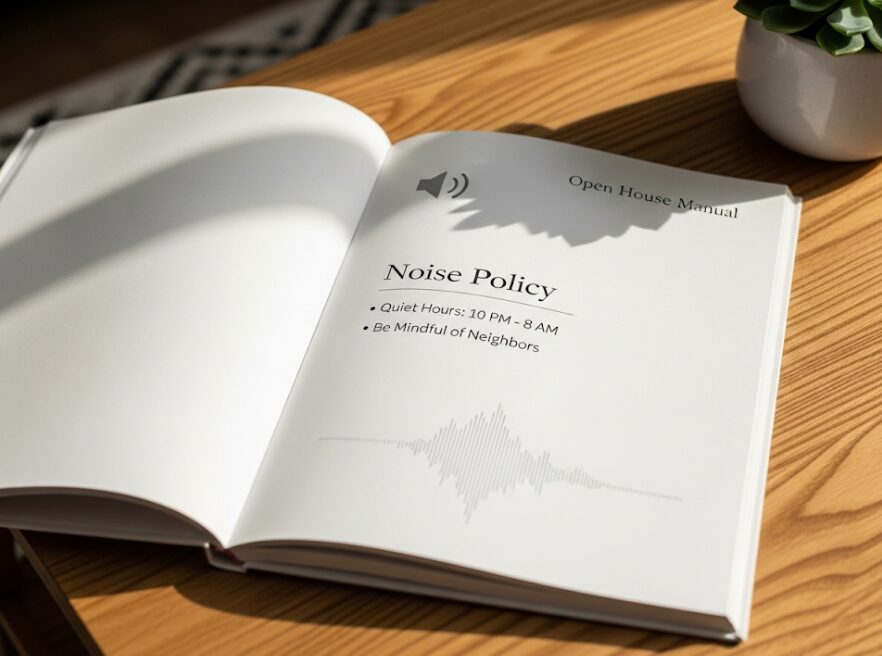
- Define “Quiet Hours”: Clearly state official quiet hours (e.g., 10 PM to 8 AM), aligning with local regulations.
- Pet Policies: Explicitly address expectations for pet owners regarding barking and control measures.
- Renovation Rules: Outline permitted hours for noisy DIY work and require tenant notification for significant projects.
- Floor Coverings: For multi-story units, consider requiring rugs or carpets over hard floors to reduce impact noise.
- Clear Consequences: Detail the steps you’ll take for noise violations, from warnings to eviction.
2. Invest in Soundproofing & Property Upgrades
Smart property improvements can significantly reduce noise transmission:
- Window and Door Seals: Ensure good seals to block external noise. Weather stripping is a cost-effective solution.
- Acoustic Underlayment: Always use a high-quality underlayment when installing hard flooring to absorb impact sound.
- Quieter Appliances: When replacing washing machines, dishwashers, or other appliances, choose models known for quiet operation.
- Insulation: If undertaking major renovations, consider adding sound insulation in walls or ceilings.
3. Strategic Tenant Management & Communication
Sometimes, prevention is about setting the right tone and expectations:
- Transparent Viewings: If a unit is in a particularly lively or noisy area (e.g., near a busy street or nightlife), mention this upfront to prospective tenants. This attracts those who are a better fit for the environment.
- Welcome Information: Provide new tenants with a “welcome pack” that includes a friendly reminder of quiet hours and general noise etiquette.
- Encourage Direct Communication: Advise tenants to first attempt polite, direct communication with neighbors for minor issues, if comfortable.
Responding to Complaints
Even with preventive measures, complaints can happen. Your response is key:
- Act Promptly: Take all complaints seriously. Document details like dates, times, and specific types of noise.
- Verify & Document: Encourage the complaining neighbor to keep a noise log.
- Initial Contact: Send a polite, non-confrontational letter or email to the tenant allegedly causing the noise. They might be unaware. Remind them of lease clauses.
- Follow Lease Procedures: If issues persist, follow the escalation steps outlined in your lease (e.g., warnings, fines). Ensure all actions are documented and comply with local tenancy laws.
- Maintain Open Lines: Keep both parties informed of the steps you’re taking.
You can’t eliminate every source of noise, but you can build systems that prevent most problems and reduce the impact of the rest. The key is proactive communication, thoughtful property setup, and mutual respect.