

Choosing Your Channel: Where to List Your Rental Property
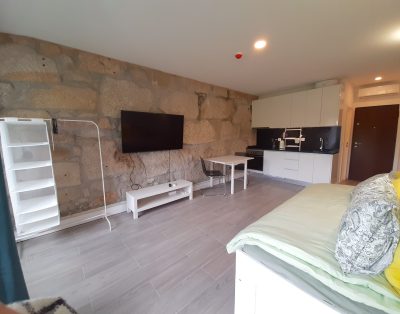
Deciding where to list your short-term rental property, whether it’s a cozy flat in Porto or a family home, is a crucial step for maximizing bookings and revenue. The digital landscape offers several popular avenues, each with its advantages and disadvantages for landlords and property managers. Understanding the nuances of major Online Travel Agencies (OTAs) like Airbnb and Booking.com versus managing your direct booking website can significantly impact your profitability and control.
1. Online Travel Agencies (OTAs): Airbnb & Booking.com
These platforms offer unparalleled reach and built-in trust, making them ideal for many hosts, especially those starting.
Airbnb:
- Pros:
- Strong Brand Recognition: Guests often start their search here, trusting the platform.
- Community Focus: Known for unique stays and fostering guest-host interaction, which can lead to more personalized reviews.
- Host Protections: Offers AirCover for Hosts, providing damage protection and liability insurance.
- User-Friendly Interface: Generally easy to set up listings and manage bookings.
- Cons:
- Service Fees: Charges a commission from both guests and hosts (or a higher host-only fee), reducing your take-home pay.
- Less Control Over Guest Communication: While direct messaging is available, the platform mediates interactions.
- Standardized Experience: Can make it harder for your unique property to stand out without strong differentiation.
Booking.com:
- Pros:
- Global Reach: Boasts a massive, diverse international audience, often appealing to travelers accustomed to traditional hotels.
- Flexible Pricing Models: Offers various ways to set rates, including non-refundable options that guarantee income.
- Lower Host Commission (Generally): Fees can sometimes be lower than Airbnb’s.
- Strong for Last-Minute Bookings: Often attracts travelers seeking immediate availability.
- Cons:
- Guest Vetting: Can have less robust guest vetting processes compared to Airbnb’s review system.
- Higher Potential for Cancellations: Its flexible cancellation policies (for guests) can sometimes lead to more last-minute cancellations.
2. Your Own Booking Website
Having your website gives you maximum control and can be the most profitable channel in the long run.
- Pros:
- No Commission Fees: You keep 100% of the booking revenue, significantly increasing profitability.
- Full Control: You manage pricing, policies, branding, and guest communication directly.
- Build Your Brand: Establishes your property as a standalone business, fostering direct relationships and repeat bookings.
- Data Ownership: You collect valuable guest data for remarketing and understanding your audience.
- Personalized Experience: You can fully customize the booking journey to reflect your unique property.
- Cons:
- Requires Marketing Effort: You’re responsible for driving all traffic to your site (SEO, social media, paid ads).
- Higher Initial Setup Costs: Involves website development, booking software integration, and payment processing.
- No Built-in Trust: Guests might be hesitant to book directly without the perceived security of an OTA, especially for first-time stays.
- Payment Processing & Security: You’ll need to set up secure payment gateways and handle PCI compliance.
Making the Right Choice for Your Rental
The best strategy for most landlords is often a hybrid approach.
- Start with OTAs: If you’re new to the short-term rental market, listing on Airbnb and Booking.com provides immediate visibility, builds initial reviews, and helps you understand demand.
- Develop a Direct Booking Site (Over Time): Once you have a steady stream of bookings and positive reviews, gradually invest in your website. Promote it to past guests and leverage social media to drive direct traffic.
- Diversify: Don’t put all your eggs in one basket. Listing on multiple OTAs (if feasible) and promoting your direct site can maximize your reach and reduce dependence on a single platform.
Ultimately, the optimal listing strategy depends on your goals, budget, time commitment, and the unique characteristics of your rental property. By understanding the strengths and weaknesses of each channel, you can make informed decisions that lead to sustained success.