
Public Transportation In Porto: How To Get Around
Navigating Porto is surprisingly easy thanks to its efficient and integrated public transportation system. Whether you prefer the underground, scenic trams, or extensive bus routes, getting around the city and its surroundings is convenient and affordable.
The Andante Card: Your Key to Porto’s Network
The cornerstone of Porto’s public transport is the Andante card. This rechargeable card is essential for using the metro, buses (STCP), and most regional trains. You can purchase a new card (a small, one-time fee applies) and load it with various ticket types at metro stations, STCP pontos de venda (sales points), or some newsagents. Porto’s public transport operates on a zonal system (Z2, Z3, Z4, etc.). Your fare depends on how many zones you travel through. Most tourist areas are within Zone 2 (Z2). Always validate your card at the yellow machines before boarding any transport, even when transferring.
Metro: Fast and Efficient
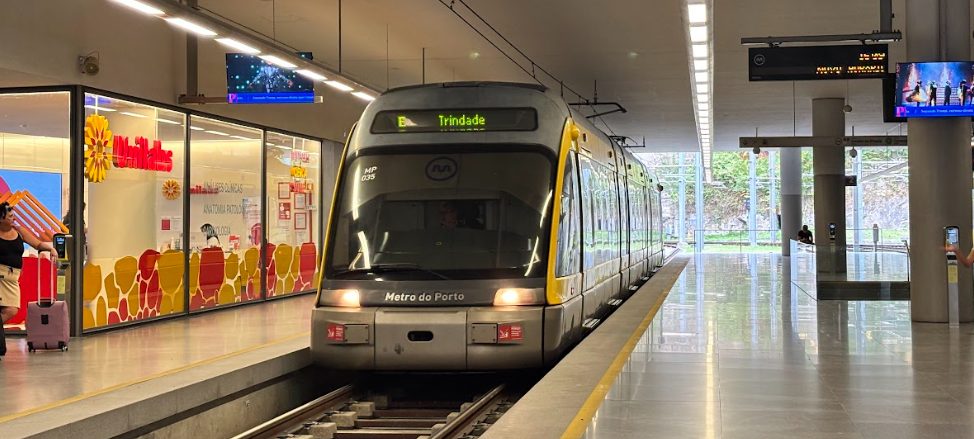
Porto’s modern metro system is an excellent way to cover longer distances quickly and avoid traffic. It boasts six lines (A, B, C, D, E, F), easily identifiable by color.
- Key Hubs:
- Trindade Station: This is the central metro hub where most lines intersect, making it a crucial interchange for getting almost anywhere.
- Casa da Música: Another significant interchange, connecting multiple metro lines and serving as a major bus terminal, ideal for reaching the Boavista area and beyond.
- Airport Connection: The E line (purple) directly connects Francisco Sá Carneiro Airport to the city center (Trindade) – a very convenient and affordable option.
Buses (STCP): Extensive Coverage
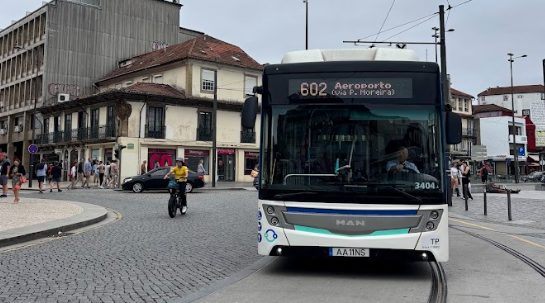
The STCP bus network is extensive, reaching virtually every corner of the city and its surrounding municipalities. Buses are indispensable for areas not covered by the metro, navigating the city’s hills, or late-night travel after the metro closes.
- Routes: Bus routes are well-marked, and online maps or apps can help you plan your journey.
- Flexibility: Buses offer flexibility, allowing you to see more of the city at street level.
Trams: A Scenic Journey Through History
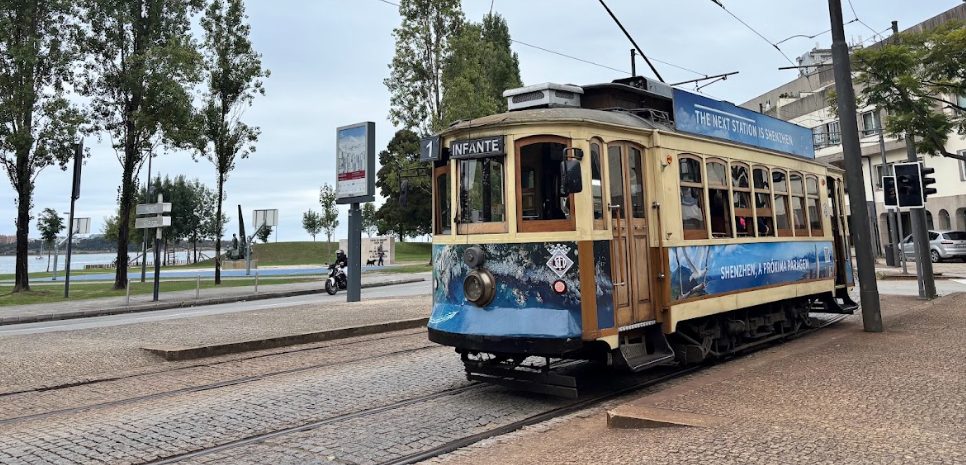
Porto’s historic trams are less about efficient transit and more about a charming, nostalgic experience. Three lines (1, 18, 22) operate.
- Line 1 (Infante – Passeio Alegre): The most popular for tourists, offering a picturesque ride along the Douro River to Foz do Douro.
- Line 22 (Carmo – Guindais): A circular route through the historic city center, passing iconic landmarks.
- Line 18 (Massarelos – Carmo): Connects the Tram Museum to the city center.
- Cost: Tram tickets are typically more expensive than regular metro/bus fares if purchased on board, but they can be used with the Andante daily/weekly pass if within the covered zones.
Tickets and Passes: Economical Options
- Single Trip (Z2): Around €1.20 (loaded onto Andante). Cheaper than buying on board.
- Andante 24 (Daily Pass): Offers unlimited travel within chosen zones for 24 hours from first validation. Prices vary by zones (e.g., Z2 is around €4.15).
- Andante 30 (Monthly Pass): For longer stays, this pass offers significant savings for unlimited travel within chosen zones over 30 days.
- Andante Tour (Tourist Pass): Available for 24 or 72 hours, these passes offer unlimited travel across all zones, including the airport, making them convenient for intensive sightseeing without worrying about zones.
Public transportation in Porto is intuitive and covers most attractions, allowing you to explore the city’s unique charm without the need for a car.