
A Guide To Porto’s UNESCO World Heritage Center
Porto’s historic center, a captivating labyrinth of narrow streets, ancient buildings, and vibrant squares, was rightfully designated a UNESCO World Heritage site in 1996. This recognition celebrates its outstanding universal value, encompassing its historical significance, unique urban landscape, and architectural richness that vividly tells the story of a city shaped by commerce, exploration, and resilience.
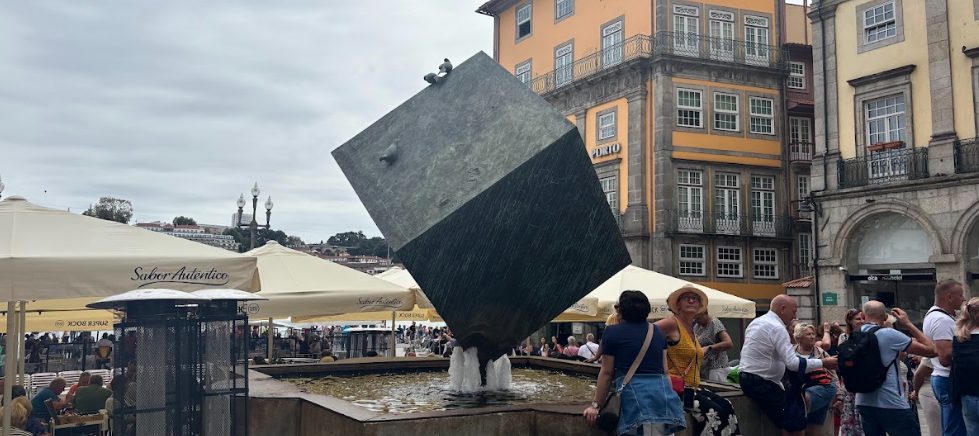
The Heart of the Heritage: Ribeira
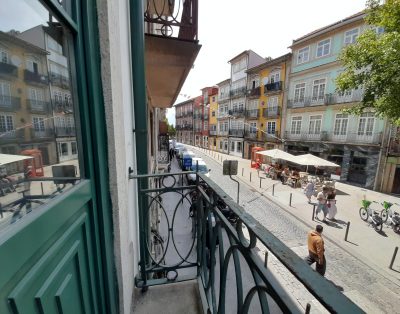
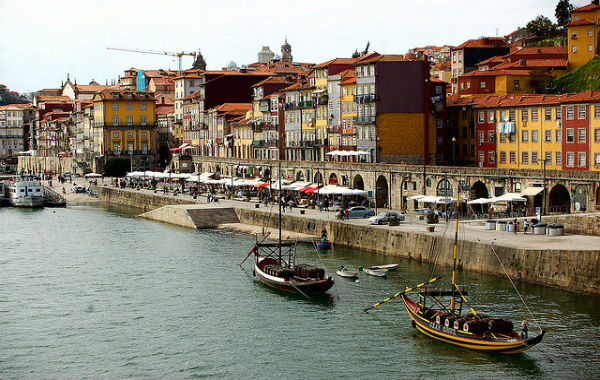
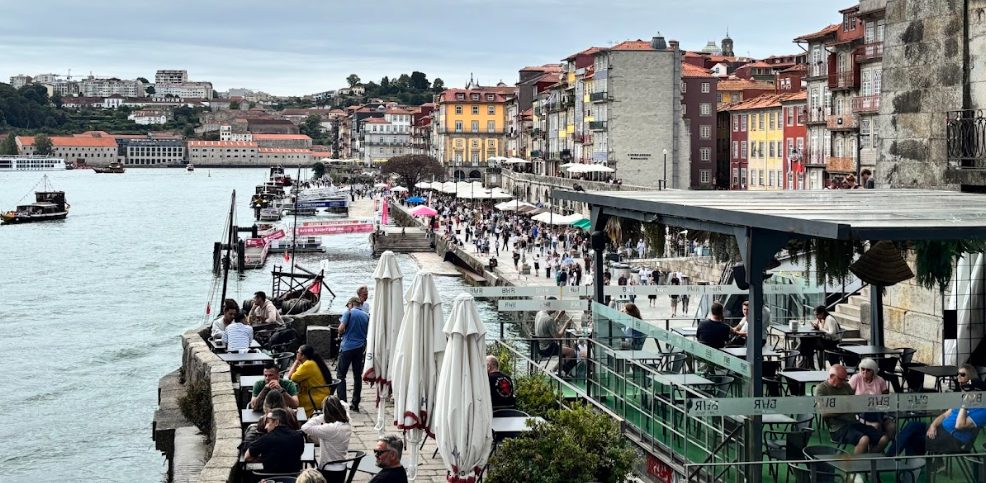
At the core of Porto’s UNESCO site is the Ribeira district, stretching along the Douro River. This iconic waterfront area is instantly recognizable by its colorful, tightly packed houses cascading down to the riverbanks. It was historically the commercial hub where goods, particularly Port wine, were loaded onto Rabelo boats. Today, Ribeira buzzes with life, offering riverside cafes, restaurants, and a lively atmosphere, perfect for a leisurely stroll or a boat tour under the Dom Luís I Bridge. The views across to Vila Nova de Gaia with its Port wine lodges are simply spectacular.
Architectural Gems and Historic Landmarks
Beyond the Ribeira, the UNESCO designation extends to a broader area encompassing many of Porto’s most significant landmarks, each contributing to its unique character:
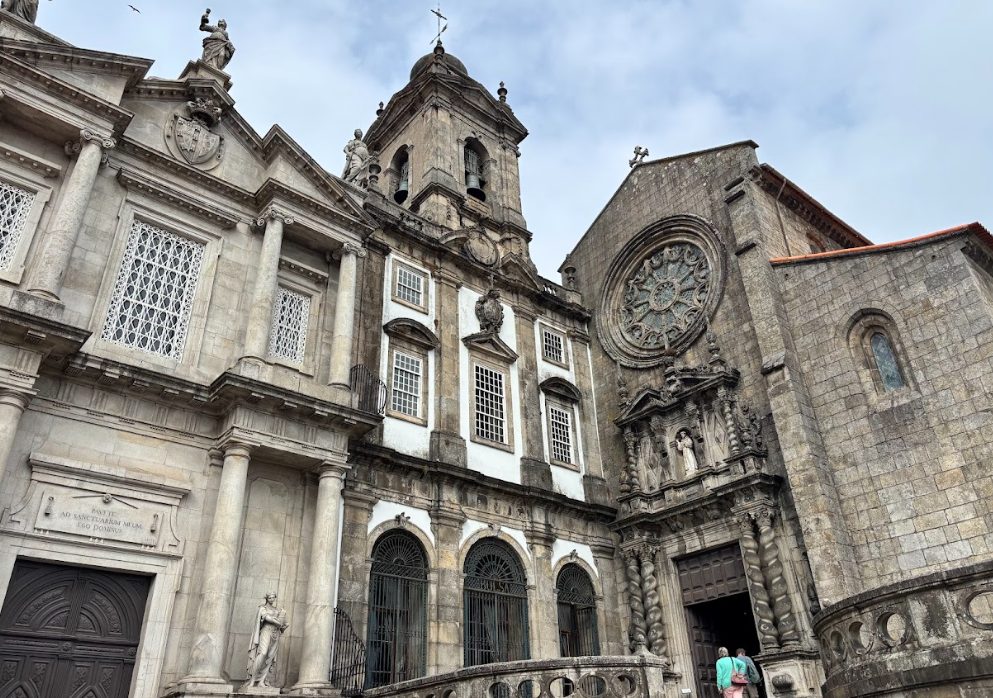
- Church of São Francisco: While its Gothic exterior is modest, its interior is overwhelmingly Baroque, almost entirely covered in intricate gilded carvings. It’s an astonishing display of wealth and artistry.
- Clérigos Tower: This towering Baroque bell tower, designed by Nicolau Nasoni, is Porto’s most emblematic monument. Climbing its 225 steps rewards visitors with panoramic views of the entire city and the Douro.
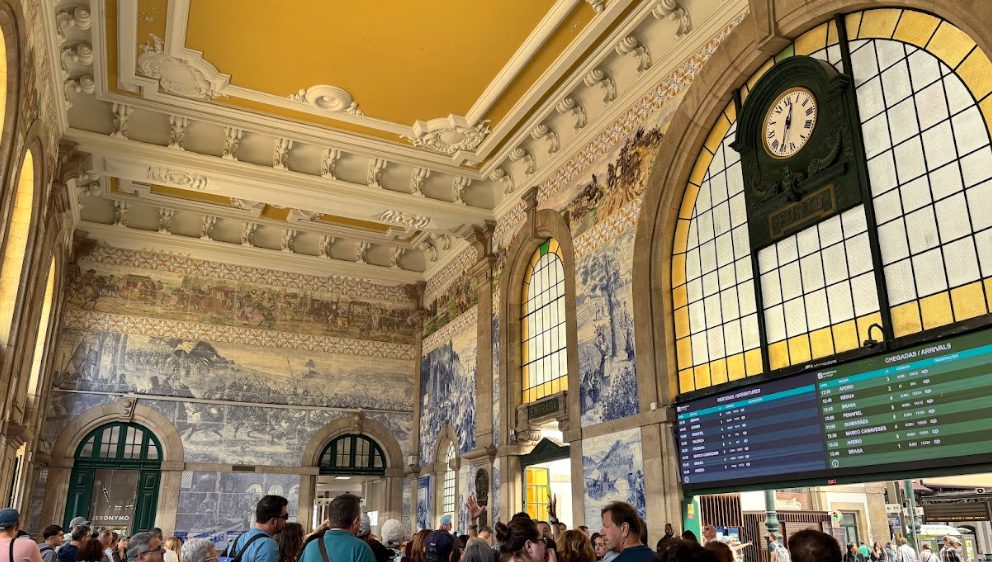
- São Bento Railway Station: More than just a train station, its main hall is adorned with over 20,000 exquisite azulejo (blue and white tile) panels depicting scenes from Portuguese history and rural life. It’s a true artistic masterpiece.
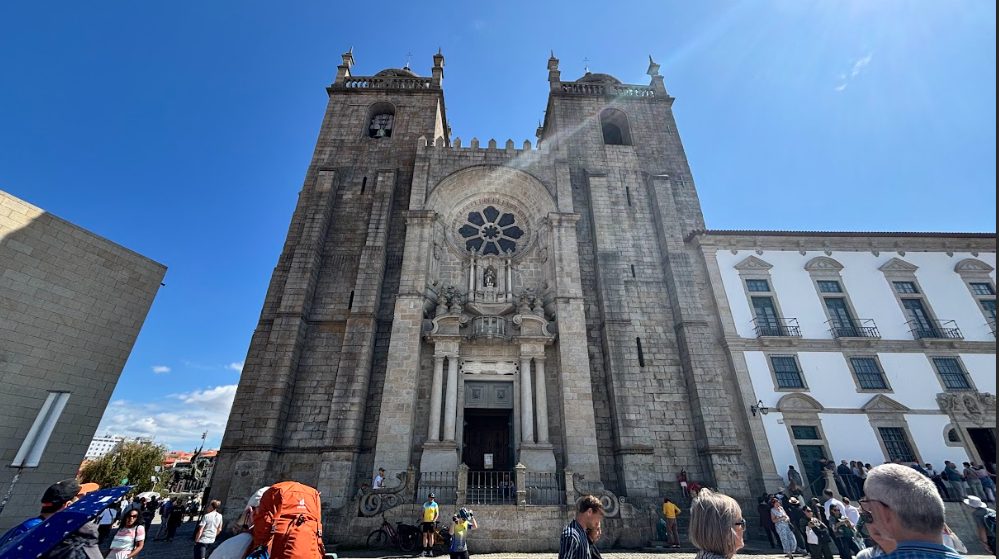
- Porto Cathedral (Sé do Porto): A formidable Romanesque cathedral that has undergone various architectural transformations over centuries. Its imposing façade and cloister, also decorated with azulejos, offer a glimpse into Porto’s religious and architectural evolution.
- Palácio da Bolsa (Stock Exchange Palace): A stunning example of 19th-century Neoclassical architecture, particularly famous for its opulent Arabian Room, which is inspired by the Alhambra. It reflects Porto’s mercantile past and economic power.
A Living, Breathing Museum
What makes Porto’s UNESCO World Heritage Center particularly special is that it’s not a preserved relic, but a vibrant, living part of the city. People still live and work within its historic buildings, and its narrow streets still invite exploration and discovery. The essence of the city’s history, culture, and enduring spirit is palpable in every cobblestone street and every sun-drenched facade. Exploring this area is like stepping back in time while still being firmly rooted in the present, offering an unforgettable experience of Porto’s timeless charm.