

Clogged Drains & Slow Tubs: Educating Tenants to Prevent Recurring Blockages
Clogged drains and slow tubs are among the most frequent and frustrating maintenance requests landlords receive. While a professional can clear a stubborn blockage, the key to avoiding recurring issues lies in educating your tenants on proper drain care. This proactive approach saves you time and money, and maintains a healthy relationship with your renters.
Understanding the Common Culprits
Most drain blockages stem from a few usual suspects:
- Hair: The biggest offender, especially in showers and bathtubs. Hair combines with soap scum to form stubborn clogs.
- Grease and Food Scraps: In kitchen sinks, pouring grease down the drain (even with hot water) causes it to solidify and accumulate. Food particles, even small ones, contribute to blockages.
- Foreign Objects: Cotton swabs, dental floss, feminine hygiene products, wet wipes (even “flushable” ones), paper towels, and small toys are common culprits.
- Soap Scum & Mineral Deposits: Over time, soap residue and hard water minerals build up on pipe walls, narrowing the drain and trapping other debris.
Educating Your Tenants
Provide clear, concise instructions to your tenants, ideally in a move-in guide.
- The Golden Rule: Nothing but Water (and a few exceptions):
- Kitchen Sinks: Emphasize that grease, oil, and food scraps must never go down the drain. Advise scraping plates into the trash and disposing of cooled grease in a container.
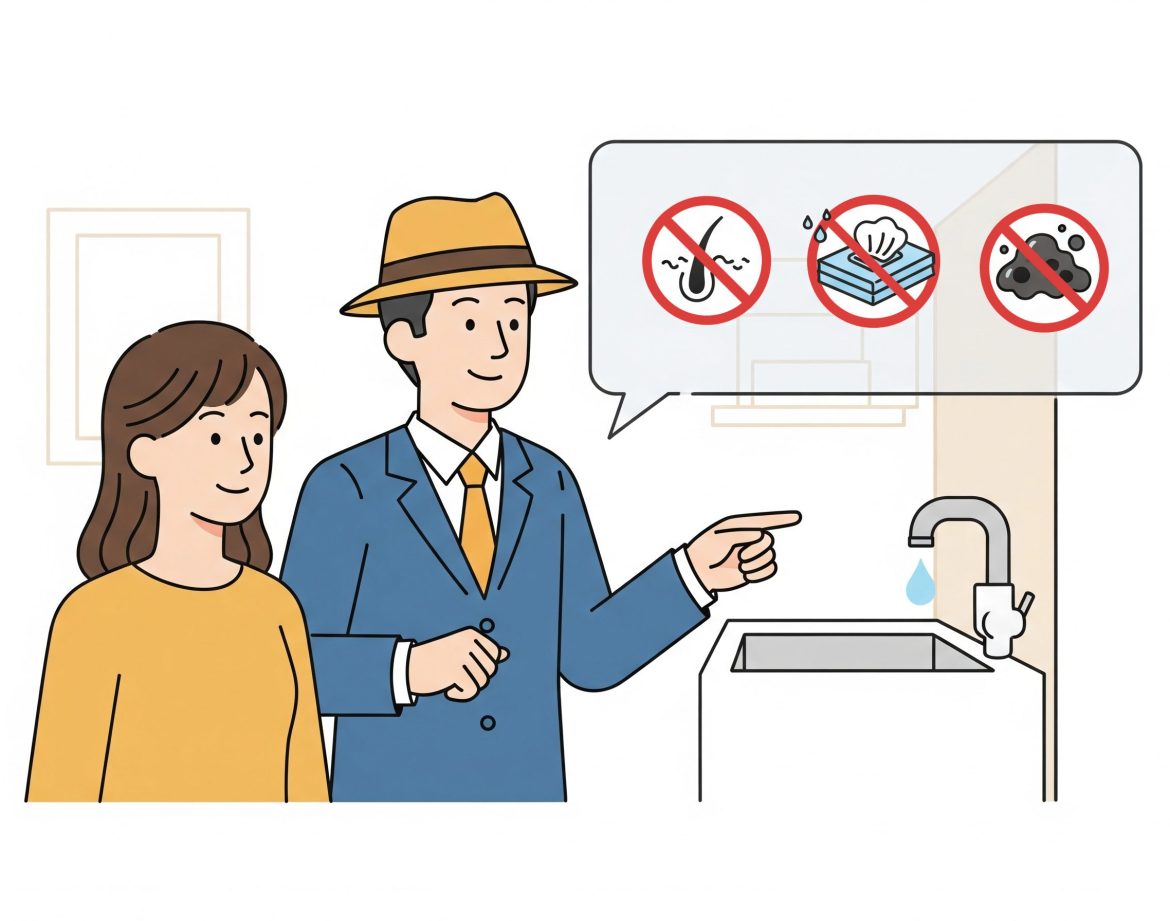
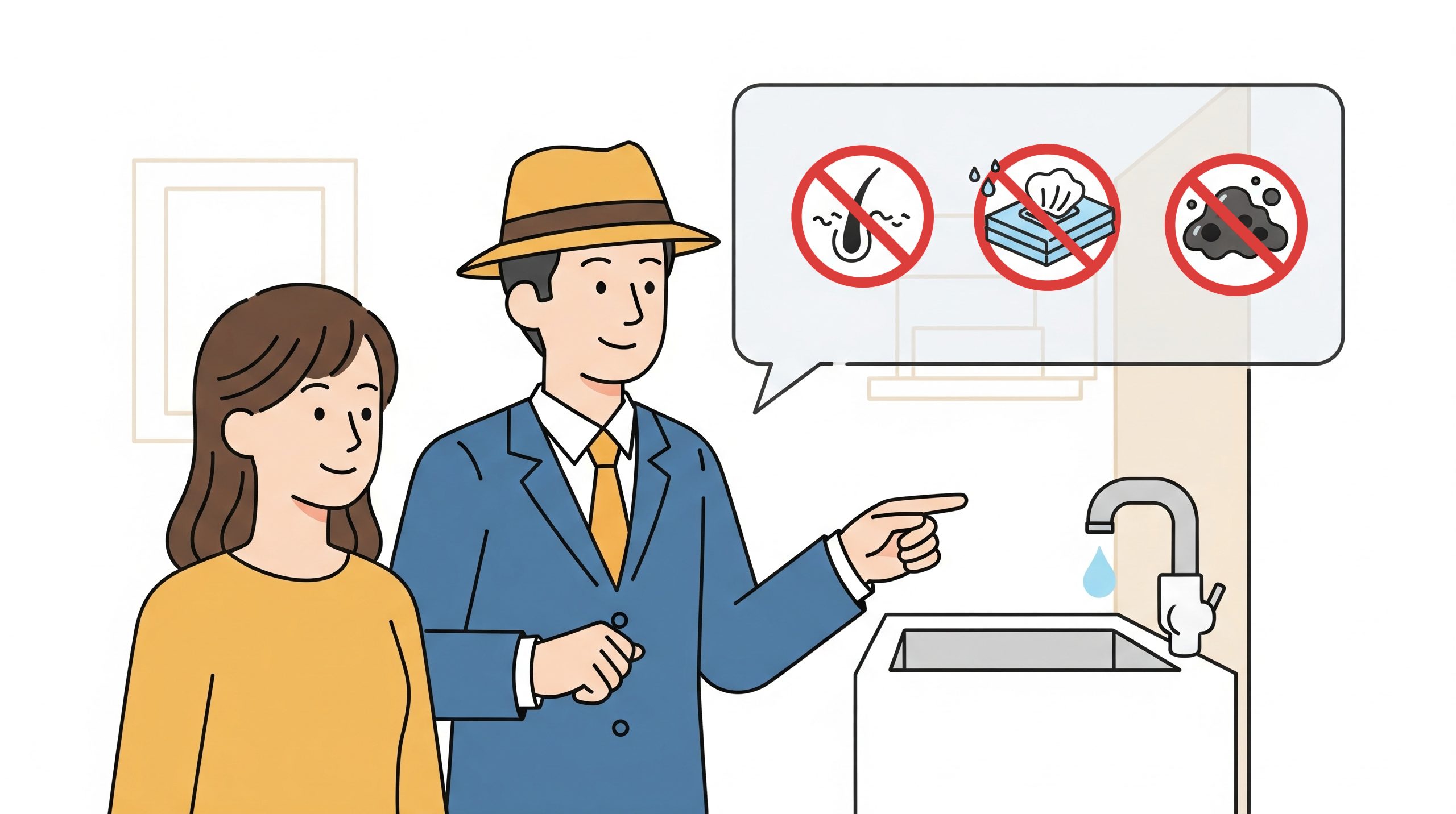
- Bathroom Sinks/Showers/Tubs: Stress that hair, cotton swabs, dental floss, and all types of wipes belong in the trash.
- Use Drain Strainers: Strongly recommend (or even provide) strainers for all sinks and tubs. Explain that they need regular cleaning.
- Regular Flushing (with Hot Water): Advise flushing kitchen drains with hot water for a few minutes after use to help fats pass through.
- Avoid Chemical Drain Cleaners: Educate tenants that these can damage pipes and are often ineffective. They can also be dangerous if mixed with other chemicals or if a professional plumber later needs to work on the drain. Instruct them to notify you immediately if they suspect a clog instead.
- Warning Signs: Teach tenants to recognize early clog indicators and report them promptly:
- Water is draining more slowly than usual.
- Gurgling sounds from drains.
- Unpleasant odors from the sink or tub.
Proactive Measures for Landlords
Even with tenant education, a proactive approach from your side is beneficial.
- Install Hair Catchers/Drain Protectors: Consider installing simple, effective hair catchers in all shower/tub drains before a new tenant moves in.
- Inspect During Turnovers: Between tenants, perform a thorough plumbing inspection and clear any minor existing blockages.
- Consider Regular Drain Maintenance: For older properties or units with known issues, consider scheduling professional drain cleaning every few years.
- Ensure Quality Plumbing: Verify your property’s plumbing system is well-maintained and free from structural issues.
Clogged drains are a nuisance, but they don’t have to be a recurring nightmare. By clearly educating your tenants on best practices for drain care, providing simple tools like strainers, and taking proactive steps yourself, you can significantly reduce maintenance calls and protect your property’s plumbing infrastructure. A little education goes a long way in fostering responsible tenancy and a smoothly running rental.